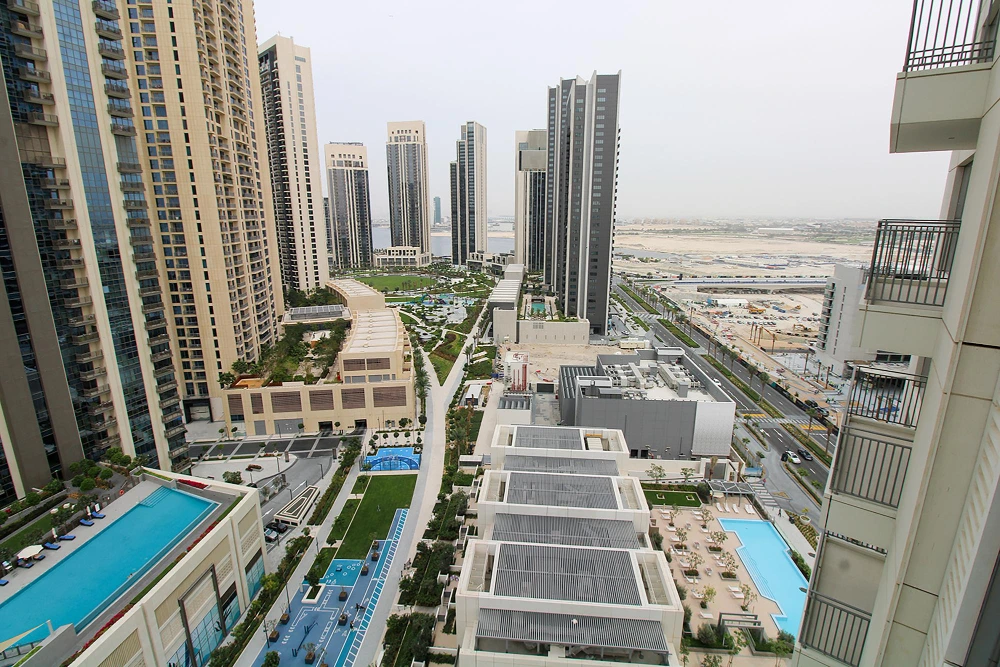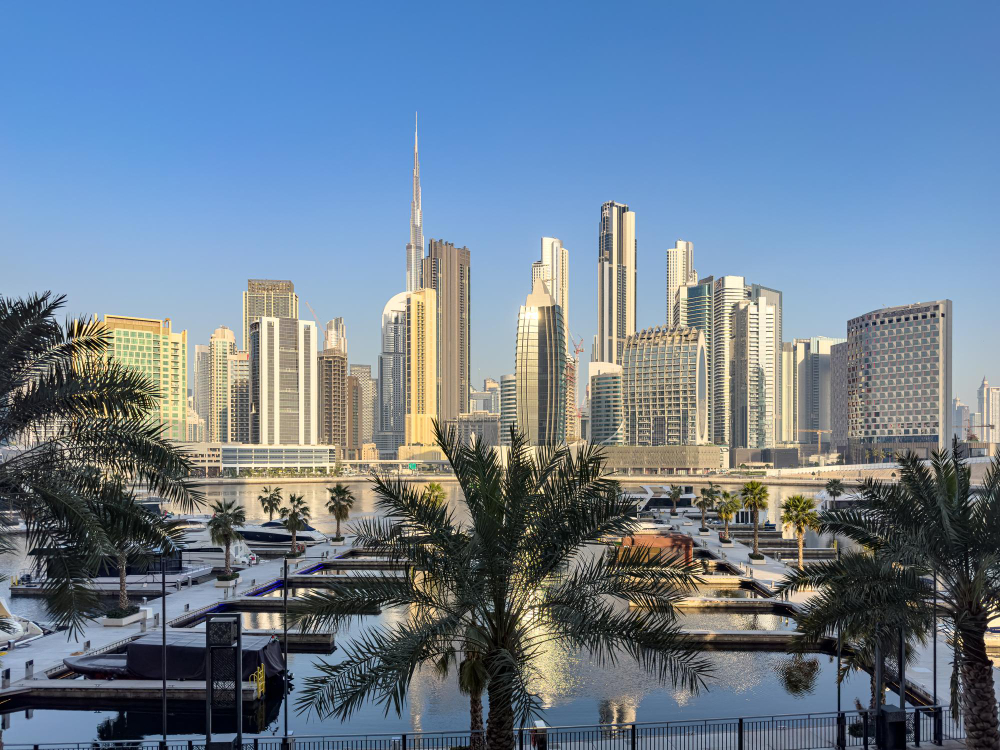
Freehold Property for Expats in Dubai: Owning property in Dubai as an expat is not just possible today; it is well established, legally protected, and increasingly popular. Since the UAE opened freehold ownership to foreign nationals, Dubai has become one of the most important international property markets in the world. As a result, expats from every country can now buy, own, rent out, sell, and pass on property in Dubai’s designated freehold zones.
If you are an expat considering your first Dubai property purchase, this guide covers everything you need to know before you sign anything.
What Freehold Ownership Actually Means?
Freehold means you own both the property and the land it sits on, permanently and without time limits. In other words, you can do what you like with it: live in it, rent it out, sell it, renovate it, or leave it to your children. This stands in contrast to leasehold, where you own rights to the property for a fixed term, typically 99 years.
In Dubai, freehold rights for foreign nationals are granted specifically in designated zones defined under Regulation No. 3 of 2006. Outside these zones, expats can still buy on leasehold terms; however, freehold ownership remains restricted.
The Most Popular Freehold Areas for Expats
- Downtown Dubai: Burj Khalifa district, prime location, strong capital appreciation.
- Dubai Marina: High rental demand, waterfront lifestyle, excellent connectivity.
- Palm Jumeirah: Iconic address, luxury villas and apartments, scarcity of supply.
- Business Bay: Strong growth trajectory, canal views, accessible price point.
- Jumeirah Village Circle: Most affordable freehold area, highest rental yields.
- Dubai Hills Estate: Premium family community, golf course, Emaar-developed.
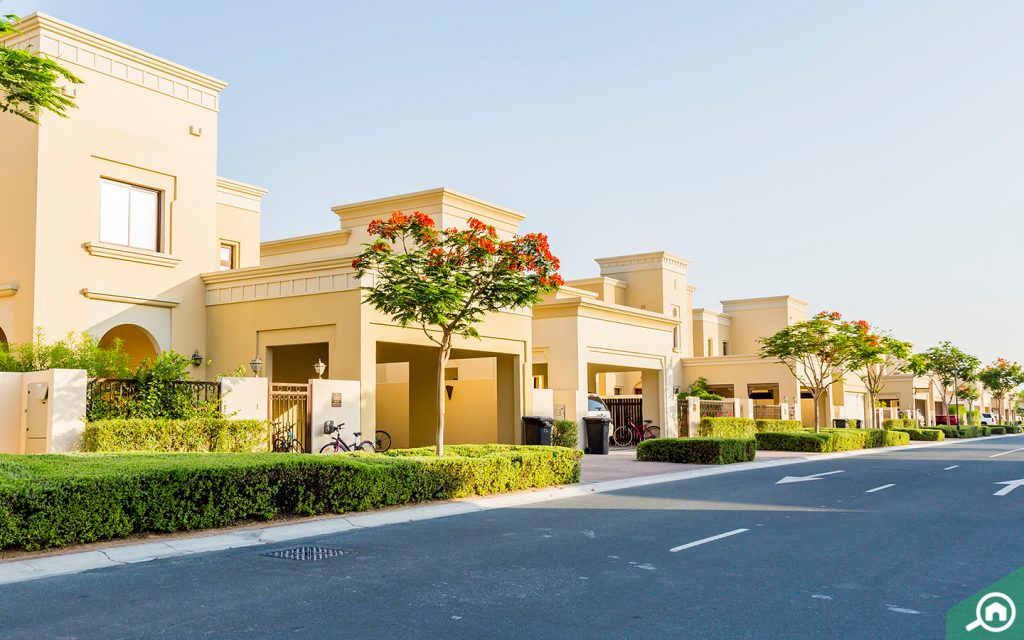
- Arabian Ranches: Established villa community, strong demand from families.
- Bluewaters Island: Lifestyle community, limited supply, close to Ain Dubai.
- Meydan: Emerging district with strong appreciation potential.
The Step-by-Step Buying Process for Expats
Step 1: Choose Your Property
To begin with, work with a RERA-registered agent to find properties that match your budget and goals. Both off-plan purchases from developers and secondary market purchases from existing owners are available to expats. RERA registration ensures your agent is licensed and accountable.
Step 2: Sign the Memorandum of Understanding
Once you have identified a property, the next step is signing the MOU, also called Form F. This is the preliminary agreement that sets out the price, payment timeline, and any conditions of sale. A 10 percent deposit is typically paid at MOU signing, held in escrow until transfer.
Step 3: Obtain the No Objection Certificate
Following that, for secondary market purchases, the developer must confirm there are no outstanding service charges or liabilities on the property. This No Objection Certificate typically takes two to five working days to issue.
Step 4: Transfer at the Dubai Land Department
Finally, both buyer and seller attend a DLD trustee office, or appoint legal representatives to attend on their behalf. The title deed is issued on the same day as full payment is made. It is worth noting that the DLD transfer fee stands at 4 percent of the purchase price.
The Full Cost of Buying Property as an Expat – Freehold Property for Expats in Dubai
- DLD transfer fee: 4 percent of purchase price
- DLD registration trustee fee: AED 4,000 to 5,000
- Real estate agent commission: typically 2 percent paid by buyer
- Mortgage registration fee if financing: 0.25 percent of loan amount
- Property valuation fee: AED 2,500 to 3,500
- Annual service charges: AED 12 to 25 per square foot depending on development
The Golden Visa Connection
Beyond the property itself, if your purchase price is AED 2 million or above on a completed and mortgage-free basis, you become eligible to apply for the UAE Golden Visa. This is a 10-year renewable residency visa that does not require employer sponsorship and can include your spouse, children, and domestic workers.
For expats planning to build long-term lives in the UAE, the Golden Visa therefore transforms a property investment into a full residency solution. Consequently, it is one of the most compelling reasons to buy in this price bracket today.
Legal Protections You Have as an Expat Owner
The Real Estate Regulatory Agency (RERA) oversees all developers, agents, and transactions. Furthermore, the DLD maintains a public registry of all title deeds. Should disputes arise, the Rental Dispute Settlement Centre provides a specialist legal forum. Overall, UAE property law is strongly weighted toward protecting registered owners.
It is also important to note that foreign buyers have the same ownership rights as UAE nationals in freehold zones. There is no second-class ownership category for expats.
Is Now a Good Time to Buy?
The short answer is yes. Property prices in Dubai’s prime freehold districts have appreciated significantly over the past three years, yet fundamentals remain strong: population growth, robust rental demand, limited supply in prime areas, and Golden Visa eligibility continue to pull in international buyers. As a result, waiting for a pullback that most analysts do not currently forecast means missing compounding appreciation.
For the latest freehold market data and investment guidance, visit nbaruae.com.